
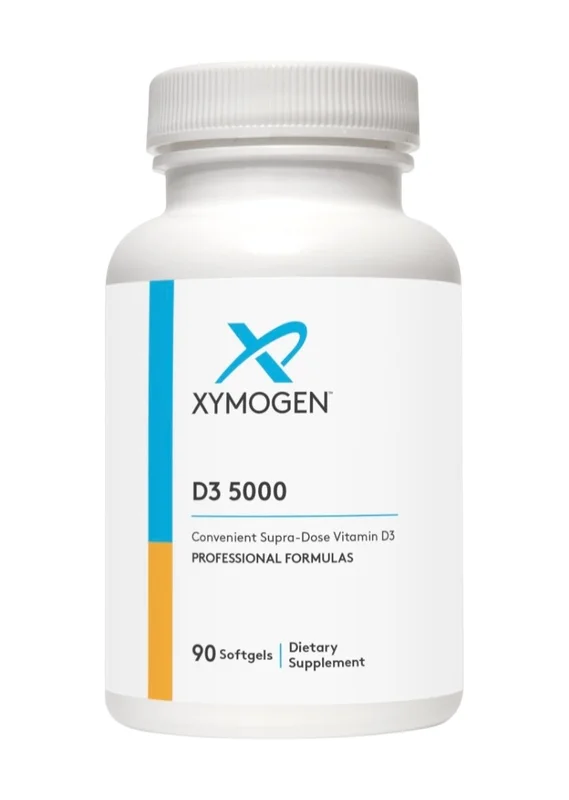
Description
While vitamin D3 (cholecalciferol) is made in the skin when 7-dehydrocholesterol reacts with sunlight, many things affect the degree to which this biosynthesis occurs, including time of day, seasons, location, smog/pollution, clothing, shade of skin (darker skin requires more sun), and sunscreen use. Low-cholesterol diets and certain cholesterol therapies can also affect vitamin D formation. By some estimates, one billion people worldwide have vitamin D deficiency or insufficiency. Reversing deficiency and maintaining optimal serum vitamin D levels beneficially impacts biochemistry and numerous body systems; this is largely because calcitriolthe metabolic product of vitamin Dis a secosteroid hormone that targets over 200 genes in a wide variety of the research demonstrates, vitamin D is clearly imperative for the development, growth, and maintenance of a healthy body from gestation to senescence.
Bone Health The body needs vitamin D to absorb calcium, and the importance of vitamin D in skeletal health and bone density is well established. Although bone density is most often associated with calcium intakes, insufficient vitamin D negatively affects calcium absorption. Without adequate absorption, the body must take calcium from its stores in the skeleton, which weakens existing bone and prevents the formation of strong, new bone. Clinical research shows that taking vitamin D orally with calcium supplements can support healthy bone turnover, and adequate calcium and vitamin D throughout lifeas part of a well-balanced dietmay reduce the risk of osteoporosis.
The Expanding Roles of Vitamin D The role of vitamin D in good health continues to expand as the knowledge of this vitamins effects on different body systems grows. Research now suggests that optimal serum levels of vitamin D support normal cell differentiation, cardiovascular health, normal immune function, good balance, healthy mood, normal fetal development, neuronal growth and neurodevelopment, healthy glucose metabolism, musculoskeletal comfort, periodontal health, and normal intestinal immune responses. Areas of research that have gained momentum over the past several years concern the relationship of vitamin D deficiency or insufficiency to changes in cellular proliferation, changes in fetal brain development, and mental health. Evidence is also mounting that vitamin D supplementation may provide key immune support.
Supports Bone Strength and Dental Health
Supports Modulation of Immune Function
Supports Healthy Cell Differentiation
Supports Neurologic and Cognitive Health
Supports Musculoskeletal Comfort
Supports Cardiovascular Health and Healthy Blood Sugar Metabolism
Supports Vitamin D Repletion in Cases of Dietary Deficiency, Limited Sunlight Exposure, or Use of Depleting Therapies
These statements have not been evaluated by the Food and Drug Administration. This product is not intended to diagnose, treat, cure, or prevent any disease.


Reviews
There are no reviews yet.